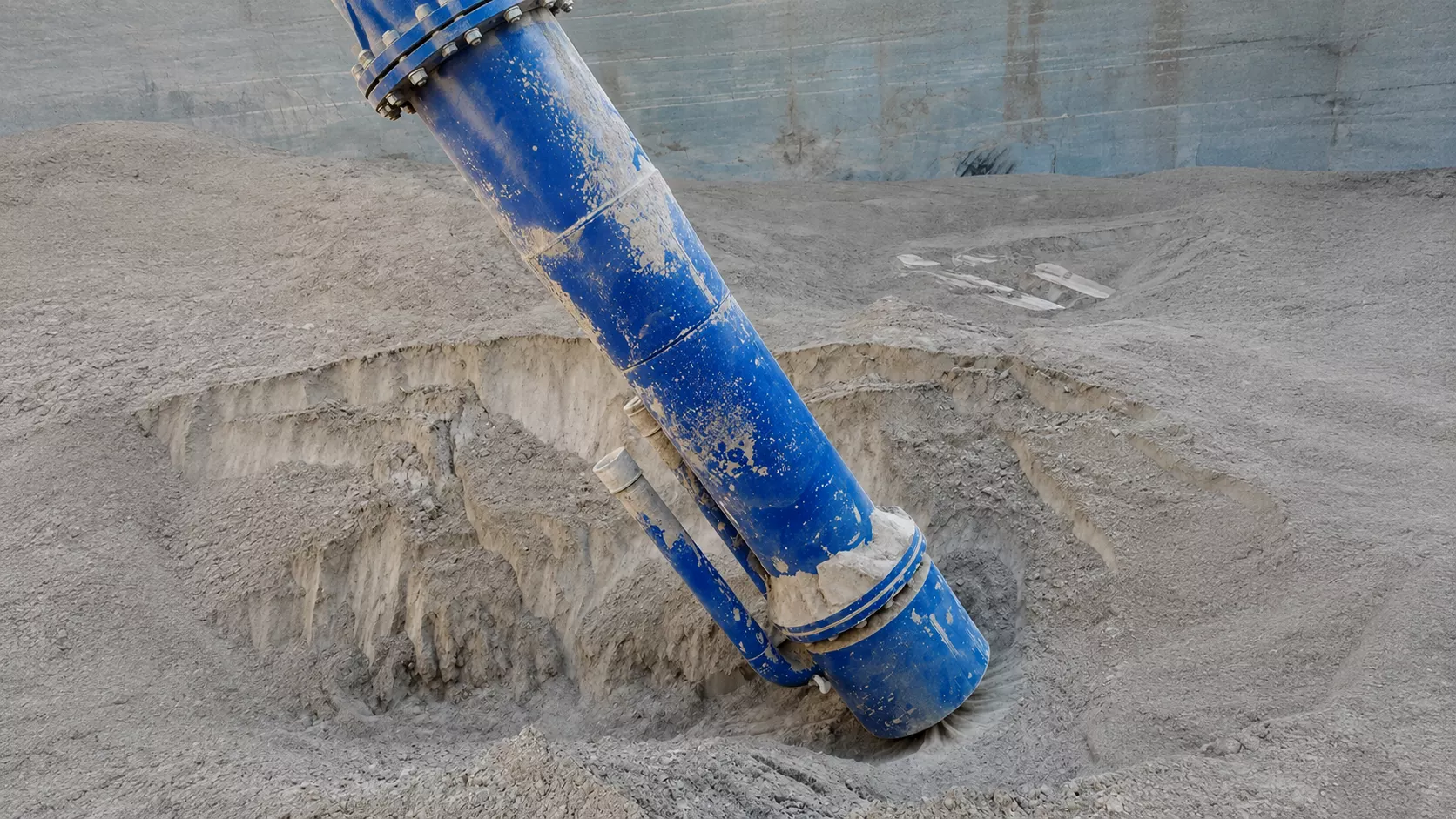
𝗛𝗼𝘄 𝗕𝘂𝗹𝗸 𝗛𝗮𝗻𝗱𝗹𝗶𝗻𝗴 𝗣𝗿𝗼𝘁𝗲𝗰𝘁𝘀 𝗖𝗲𝗺𝗲𝗻𝘁 𝗤𝘂𝗮𝗹𝗶𝘁𝘆
Discover how enclosed bulk handling helps protect cement against moisture, contamination, dust and product loss during storage, transport and unloading.

Discover how enclosed bulk handling helps protect cement against moisture, contamination, dust and product loss during storage, transport and unloading.
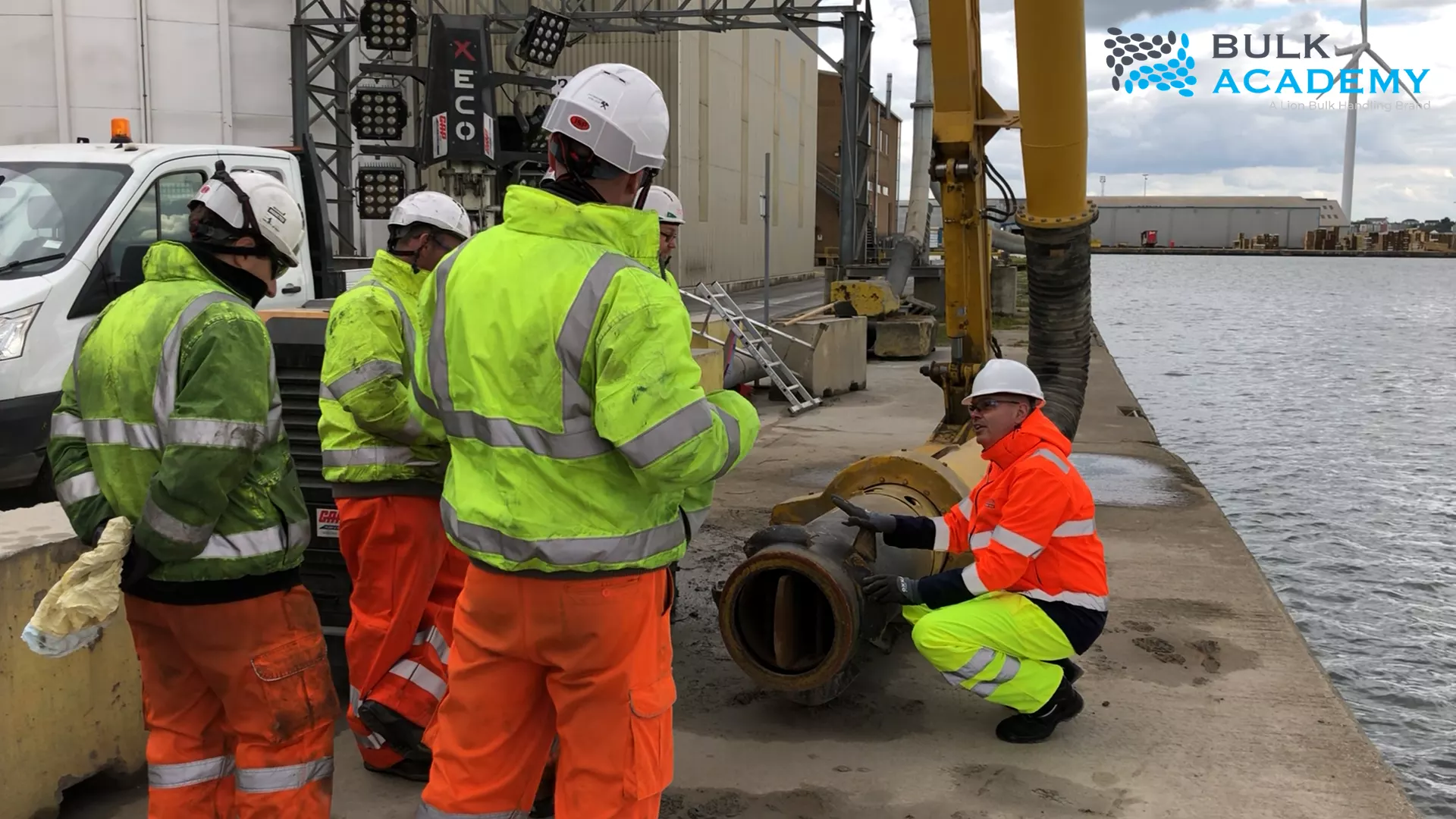
Bulk Academy converts practical bulk handling expertise into interactive training, masterclasses, feasibility studies and consultancy, helping operators and project teams improve safety, efficiency and system performance.
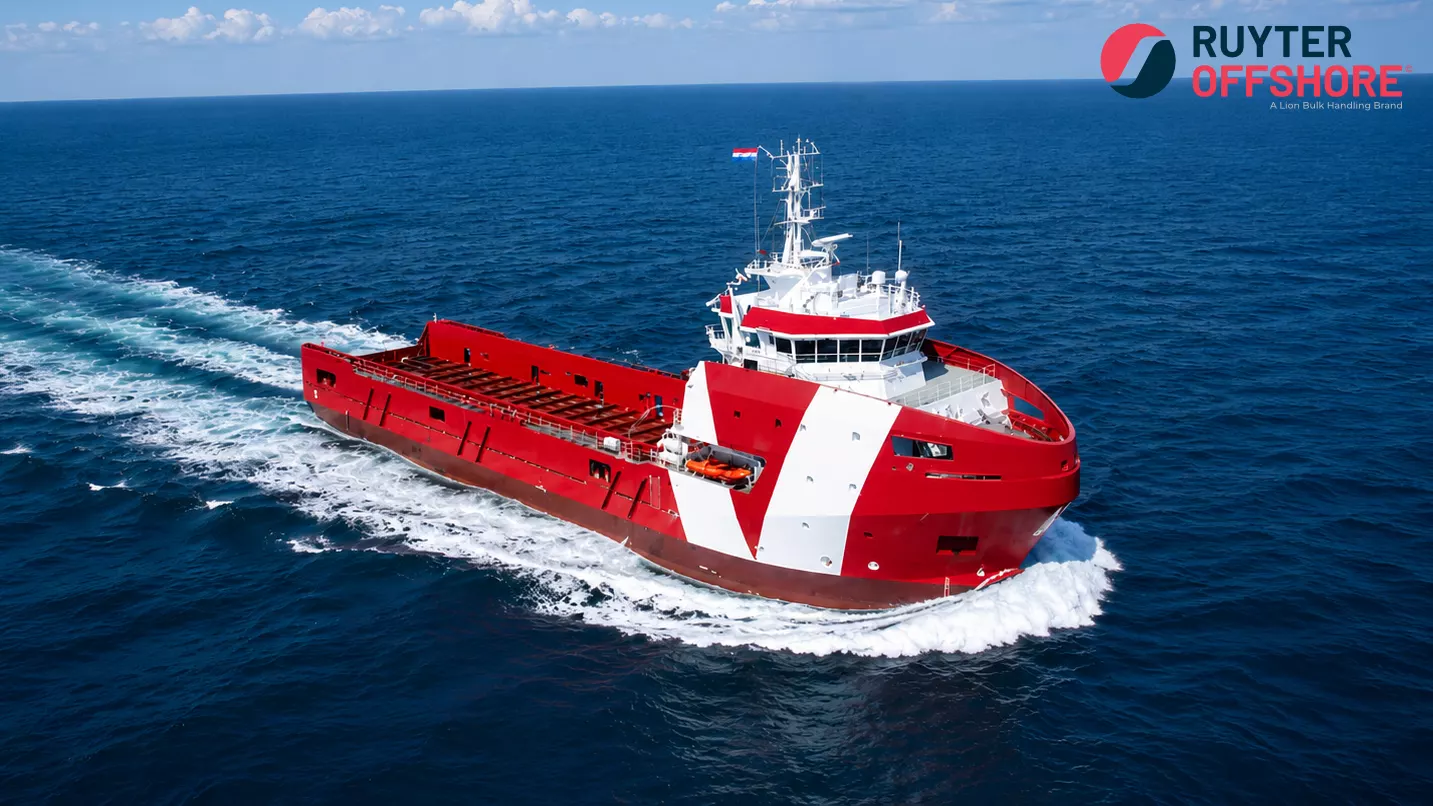
Ruyter Offshore is a Lion Bulk Handling brand specializing in dry bulk handling and drilling fluid systems for Offshore Rigs and Offshore Support Vessels. Discover integrated solutions for storage, pneumatic conveying, mud mixing, circulation and material transfer.
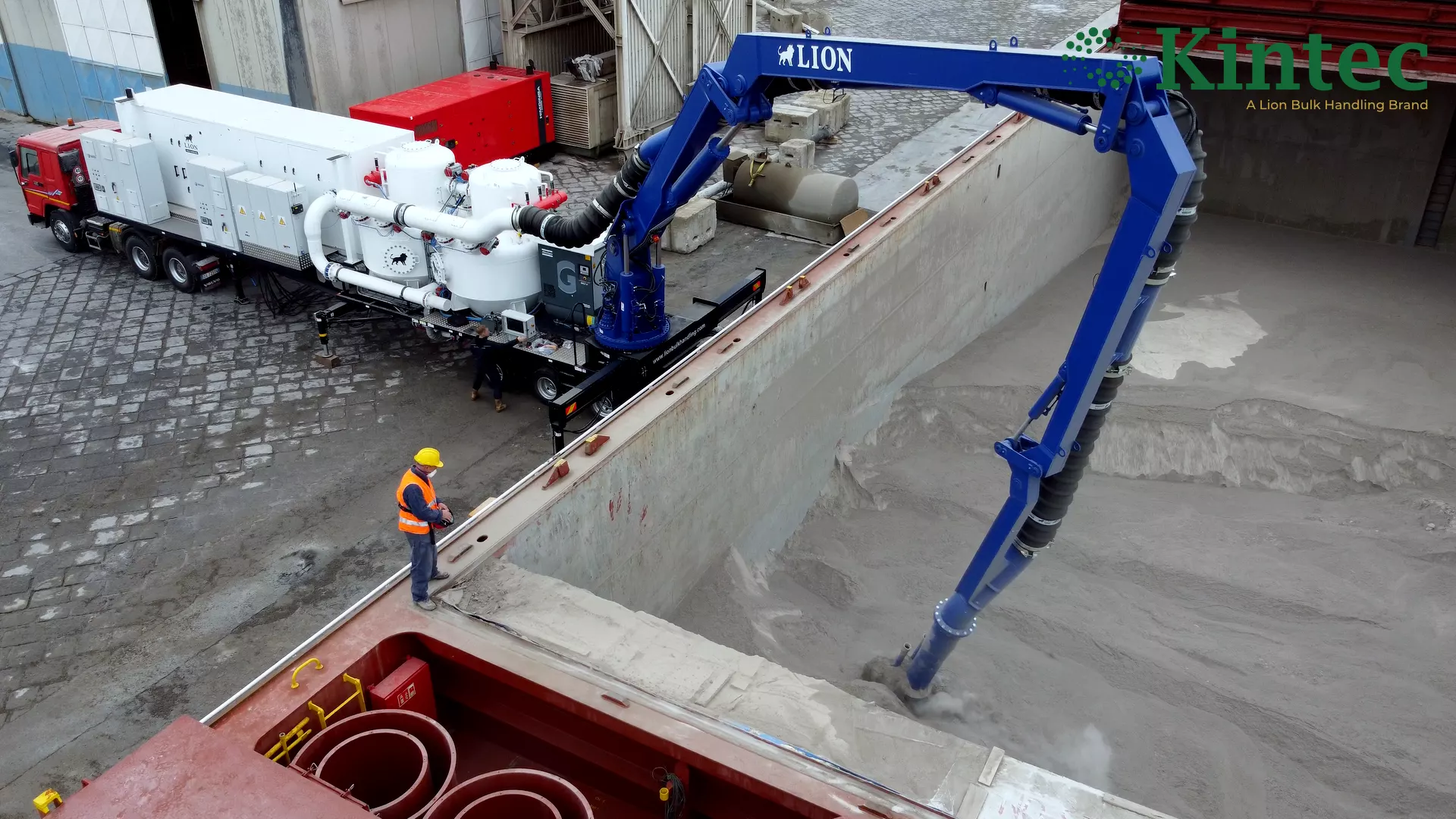
KINTEC™ is a Lion Bulk Handling brand specializing in pneumatic ship loading and unloading solutions for ports and terminals. Discover its project-specific systems for efficient and reliable dry bulk material handling.
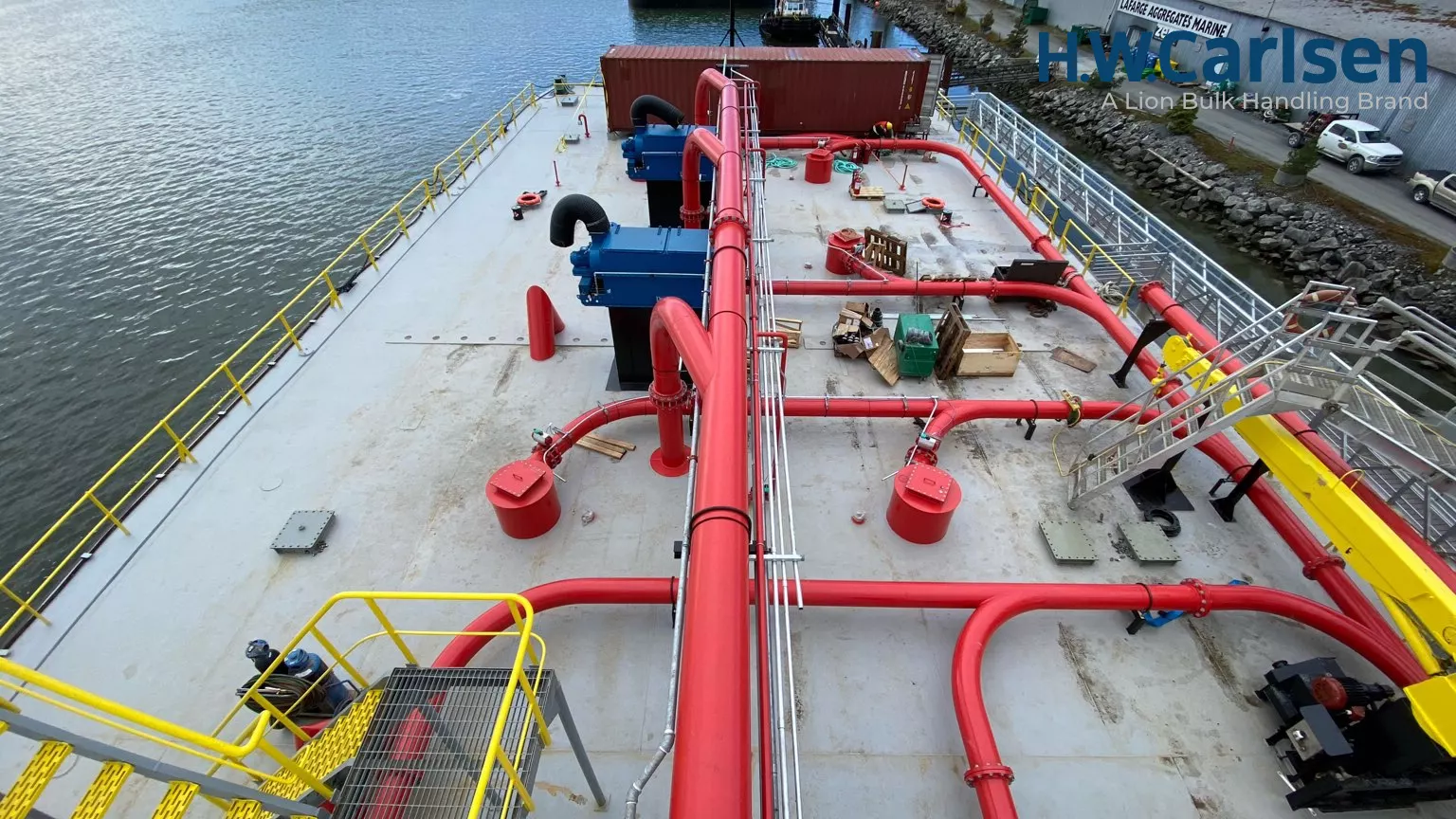
H.W.Carlsen is a Lion Bulk Handling brand specializing in dry bulk handling systems for self-discharging cement carriers and floating terminals. Discover its expertise in safe, efficient and controlled maritime bulk handling.
Lion Bulk Handling is an authorized supplier and representative of Fuller’s KOVAKO® ship and barge unloaders, bringing proven pneumatic unloading technology to customers primarily across Europe, the Middle East and Asia.
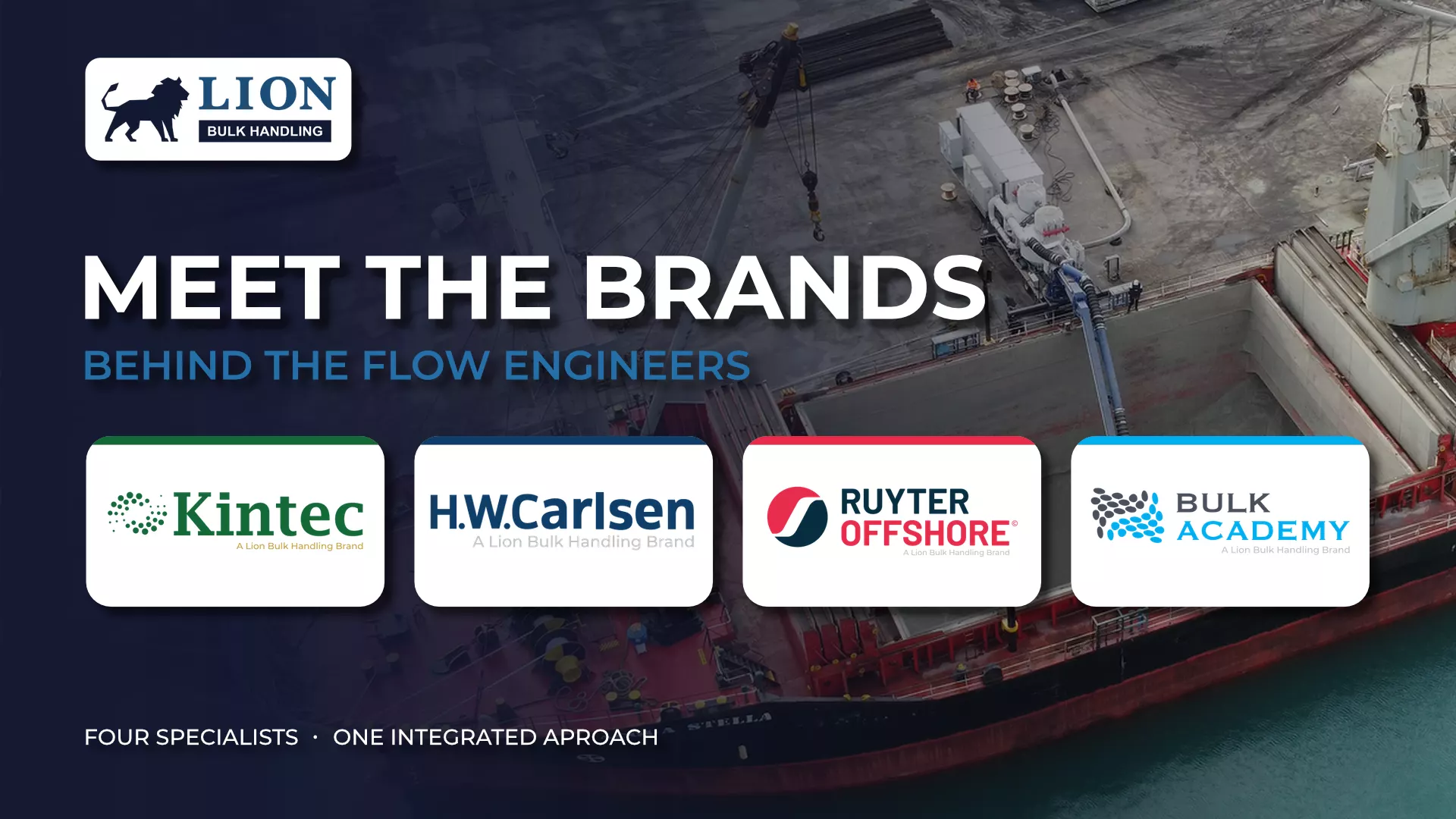
Meet the four specialized brands behind Lion Bulk Handling. Discover how KINTEC, H.W.Carlsen, Ruyter Offshore and Bulk Academy combine expertise in dry bulk handling.
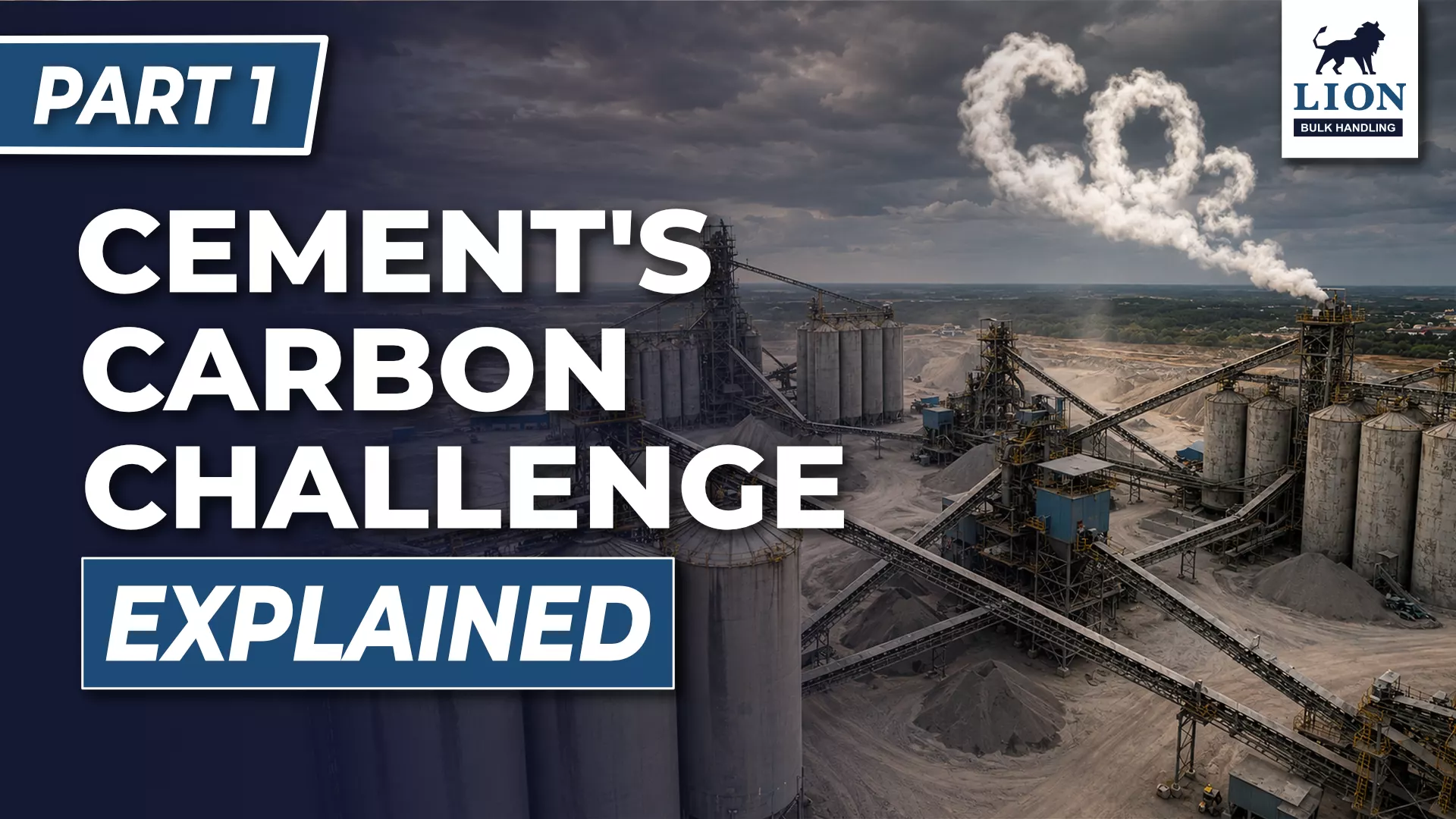
Why does cement produce so much CO₂? Discover how kiln fuels and the chemical process of calcination create cement emissions, and why reducing cement’s carbon footprint requires changes across the entire production process.
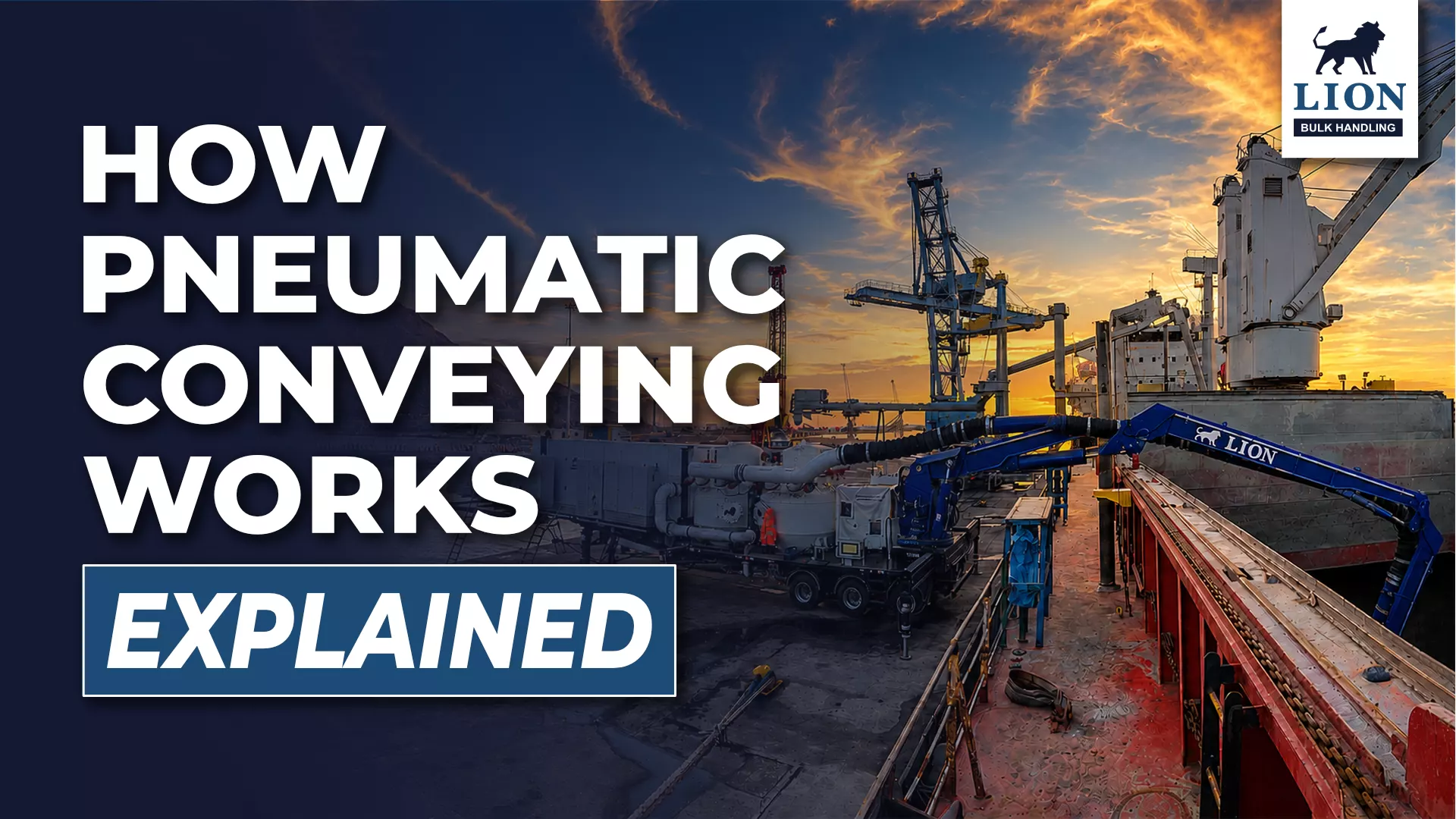
How does pneumatic conveying work? Discover how air pressure and vacuum are used to move powders and granular materials through pipelines, and why airflow, pressure and material behavior are critical to reliable bulk material transport.
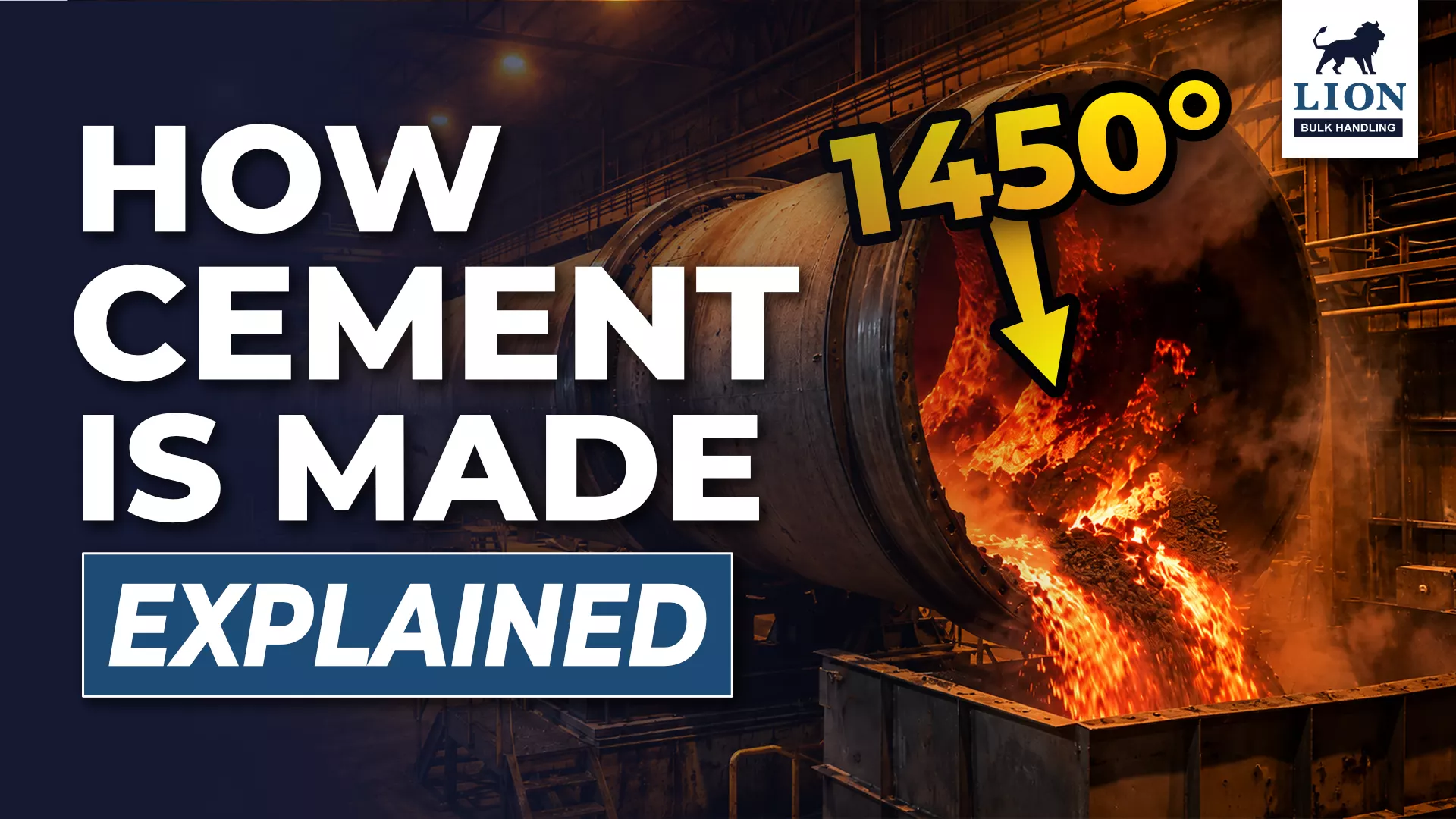
How is cement made? Discover how limestone and other raw materials are transformed through crushing, grinding, extreme heat and chemical reactions into the fine grey powder used to build roads, bridges, buildings and cities.
Necessary cookies are always active. Other categories are disabled by default and are only used when you give consent.